The Ateo Digital editorial team
Editorial
Material is prepared by the editorial team of Ateo Digital, a project on digital restrictions, VPNs and repressive registries in Russia. Availability figures come from our own measurements taken by a network of probes inside the country.
Articles (156)
-
eSIM for Egypt, Georgia, Thailand and the UAE: prices and coverage
Four destinations with the catalogue's fullest coverage — five or six services out of six. We price an identical basket and show where the usual leader loses.
-
Mobile-internet shutdowns in Russia: will a travel eSIM help
The short answer is no, and the data show it. All six catalogue services describe themselves as travel-only, none promises to work during a shutdown, and every field covering that scenario is blank at all six.
-
Roaming or eSIM: how to compare honestly and what to count
We measure the price of travel eSIMs and not operators' roaming tariffs. So instead of a verdict, a method: the four quantities to compare and where each option hides a catch.
-
eSIM for China: who sells one and what it costs
Four of six services price China, and the spread there is sixfold. The offers, the partner network where it is disclosed, and an honest note on what our catalogue does not know about China.
-
Buying an eSIM: where, for how much and what to check first
A purchase checklist built from six vendors' data: what you can pay with from Russia, what the refund terms are, where a dispute would be heard, and which fields vendors most often leave blank.
-
Mobile data abroad: what it costs and how not to overpay
The price of data abroad across six eSIM services: what one identical basket costs in seven countries, how packages differ from per-gigabyte billing, and what happens once the allowance is gone.
-
International SIM cards for travel abroad: what they actually are
What is sold today as an «international SIM» is a travel eSIM. Six services compared on coverage, basket price and terms — including where the advertised «180 countries» diverges from having actual plans.
-
eSIM for Turkey: six services compared with prices
Turkey is one of only two destinations, alongside Thailand, where all six catalogue services have a plan. We price identical baskets and show how the winner changes with volume and duration.
-
Virtual numbers for SMS: why an eSIM will not help
A travel eSIM gives no number and receives no SMS — confirmed across all six catalogue services. How a virtual number differs from an eSIM and why the two are constantly confused at the point of purchase.
-
What an eSIM is and who actually needs one
An eSIM is an operator profile inside the phone instead of a plastic card. What it does, what it does not do (numbers and SMS — it does not), and what mobile data abroad costs across six services.
-
How to pay a foreign subscription from Russia without overpaying threefold
A recurring payment has its own arithmetic: what decides is the fixed fee, the subscription charge and the card's validity, not the percentage. The annual cost of a 20 $/month subscription across seven services.
-
Which country is your card from: what a BIN is and what it changes
The first six digits tell a merchant the country and bank of issue — and they decide whether a payment goes through. BINs across seven services, including two cases where different vendors share one.
-
A Kazakhstan virtual card for Russians: what is really behind the name
«A Kazakhstan card» usually means not a Kazakh card but a service with a Kazakh legal entity. The difference between a company's jurisdiction and a card's country of issue — and why payments care about the second.
-
Paying on Taobao, eBay and other foreign marketplaces
On a marketplace the payment is in a foreign currency, a dispute is likely and amounts can be large. Three parameters decide here: the cross-currency surcharge, the per-transaction limit and whether disputes exist.
-
Paying for AI services from Russia: ChatGPT, Claude and the rest
Not every foreign card is accepted by AI services, and the vendors say so themselves. Which cards are declared to work for ChatGPT and Claude, and what a 20 $ payment costs at each of the seven.
-
Chargebacks on a virtual card: when you get the money back and when you do not
Chargebacks work differently on prepaid cards. Who provides none at all, who charges 45 $ per dispute, whose claim window is seven days, and what each service's liability cap actually is.
-
Paying foreign services from Russia: what is forbidden and what to pay with
Every virtual-card service keeps its own list of what you may not pay for — and the lists do not agree. We put seven of them side by side: named bans, category bans, and who publishes no list at all.
-
How to pay App Store and iCloud from Russia in 2026
What decides App Store payments is not the card but whether your Apple account region matches the card's country of issue. Who has which billing address, who is explicitly unsuitable, and what to do about Apple Pay.
-
A foreign card for paying abroad: how to choose and what to look at
Who is legally liable for your foreign card, how much you get back when something breaks, what happens to the balance and what each service charges for conversion — seven services with entities and liability caps.
-
Virtual cards explained: which kind you need for paying abroad
«Virtual card» means two different products, and confusing them is expensive: your own bank's card will not work abroad, and a foreign prepaid card will not work inside Russia. Data from seven services.
-
Just eSIM review — eSIM: coverage, payment from Russia, restrictions
Just eSIM: whether you can pay from Russia, what coverage is advertised, whether it gives a number and tethering, and what the vendor promises about mobile-internet shutdowns.
-
Yesim review — eSIM: coverage, payment from Russia, restrictions
Yesim: whether you can pay from Russia, what coverage is advertised, whether it gives a number and tethering, and what the vendor promises about mobile-internet shutdowns.
-
eSIM365 review — eSIM: coverage, payment from Russia, restrictions
eSIM365: whether you can pay from Russia, what coverage is advertised, whether it gives a number and tethering, and what the vendor promises about mobile-internet shutdowns.
-
Unisim review — eSIM: coverage, payment from Russia, restrictions
Unisim: whether you can pay from Russia, what coverage is advertised, whether it gives a number and tethering, and what the vendor promises about mobile-internet shutdowns.
-
eSIM.World review — eSIM: coverage, payment from Russia, restrictions
eSIM.World: whether you can pay from Russia, what coverage is advertised, whether it gives a number and tethering, and what the vendor promises about mobile-internet shutdowns.
-
eSIM Tayyor review — eSIM: coverage, payment from Russia, restrictions
eSIM Tayyor: whether you can pay from Russia, what coverage is advertised, whether it gives a number and tethering, and what the vendor promises about mobile-internet shutdowns.
-
Zarub review — virtual card: fees, legal entity, restrictions
Zarub: who is legally liable for the card, whether verification is required, how to top it up, what happens to the balance when it is blocked, and which services you are forbidden to pay for.
-
Plati v puti review — virtual card: fees, legal entity, restrictions
Plati v puti: who is legally liable for the card, whether verification is required, how to top it up, what happens to the balance when it is blocked, and which services you are forbidden to pay for.
-
Aifory Pro review — virtual card: fees, legal entity, restrictions
Aifory Pro: who is legally liable for the card, whether verification is required, how to top it up, what happens to the balance when it is blocked, and which services you are forbidden to pay for.
-
Flowbit Finance review — virtual card: fees, legal entity, restrictions
Flowbit Finance: who is legally liable for the card, whether verification is required, how to top it up, what happens to the balance when it is blocked, and which services you are forbidden to pay for.
-
Plati po miru review — virtual card: fees, legal entity, restrictions
Plati po miru: who is legally liable for the card, whether verification is required, how to top it up, what happens to the balance when it is blocked, and which services you are forbidden to pay for.
-
Wanttopay review — virtual card: fees, legal entity, restrictions
Wanttopay: who is legally liable for the card, whether verification is required, how to top it up, what happens to the balance when it is blocked, and which services you are forbidden to pay for.
-
Wayment review — virtual card: fees, legal entity, restrictions
Wayment: who is legally liable for the card, whether verification is required, how to top it up, what happens to the balance when it is blocked, and which services you are forbidden to pay for.
-
impVPN — review, status in Russia, how to connect
impVPN — review of a VPN service for Russia: VLESS (xHTTP/TCP), Hysteria2, WireGuard, impWG and AmneziaWG 2.0 protocols, bypassing TSPU and “whitelists,” “Key”/“Basic”/“Premium” plans. Live availability status on MTS, MegaFon, Beeline, Tele2 and Rostelecom — every 4 hours.
-
Horizon VPN — review, status in Russia, how to connect
Horizon VPN — a review of the service for Russia: VLESS Reality, bypassing whitelists, unlimited traffic, and up to 7 devices on one subscription. Live availability status on MTS, MegaFon, Beeline, Tele2, and Rostelecom — checked every 4 hours.
-

How to bypass the Discord block in Russia: working methods
Discord works intermittently in Russia: voice cuts out, and the app does not connect. We look at working ways to bypass the block — VPN, changing DNS — and how to check what will work with your operator.
-
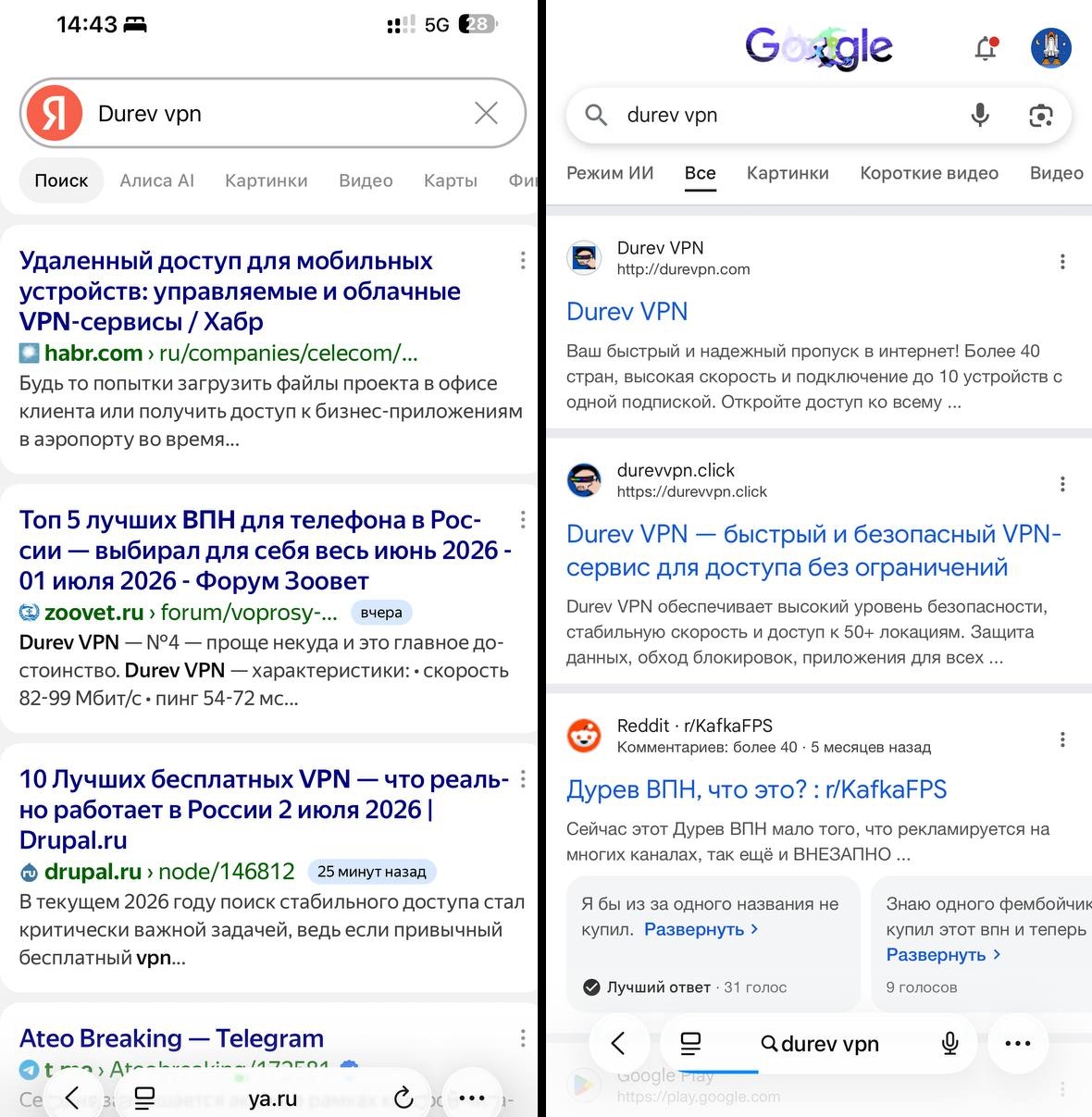
Durev VPN disappeared from Russian Yandex search results
The Durev VPN site stopped appearing in Russian Yandex search results even for a direct query with its name — although it ranks first on Google and the site itself works.
-
What is under the hood of VPN whitelist circumvention
A partner analysis with the SLOVO VPN team: why a regular VPN does not get through whitelists, how a cascade of servers with an incoming “white” IP is set up, and what VLESS TCP REALITY has to do with it.
-
How to avoid giving scammers the keys to your life
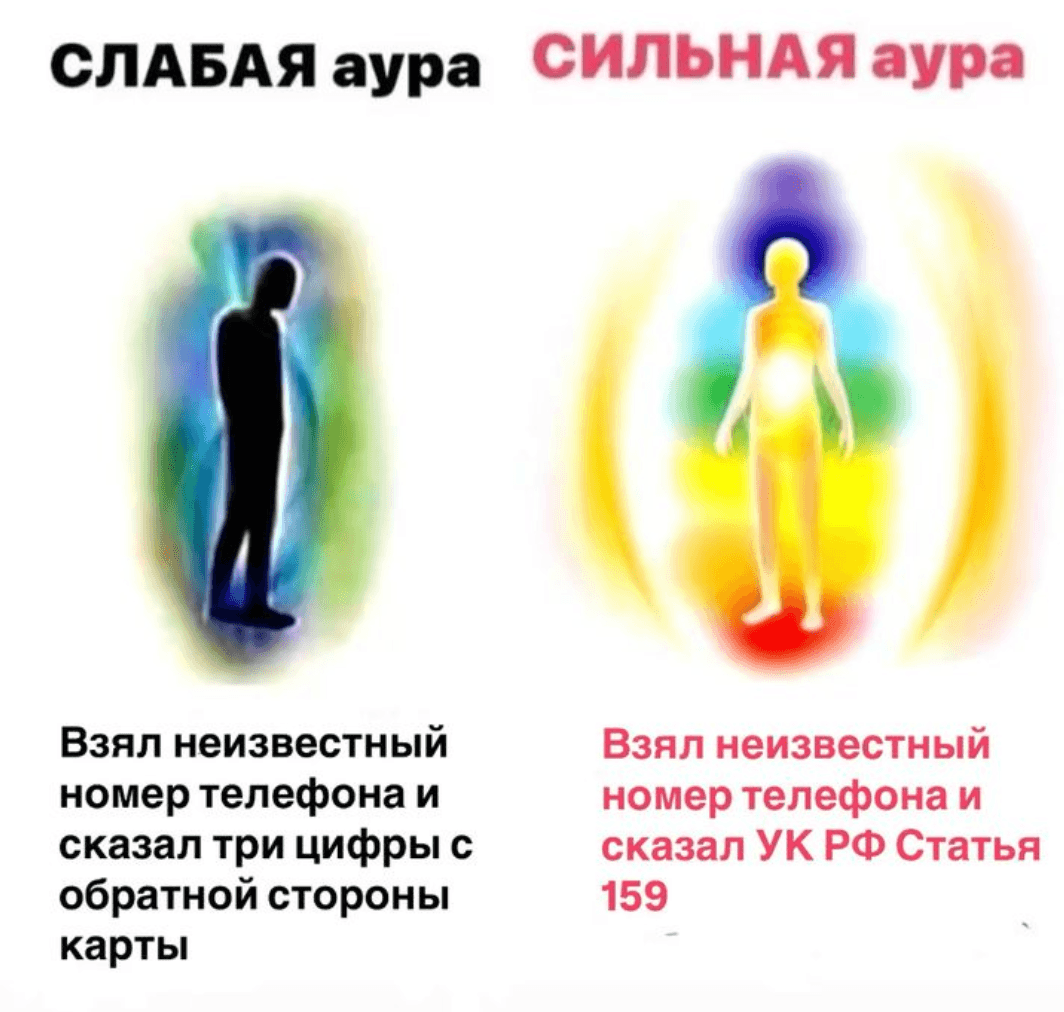
Accounts are the keys to your digital life, and an SMS code is a master key that must not be dictated to anyone. A simple rule that protects you from scammers: how do you avoid breaking it?
-

Hey, pay up: the State Duma introduced fines of up to 700,000 ₽ for authorization through foreign services
The State Duma passed a law: logging in to a Russian website through Google, Apple ID, or foreign email can mean a fine of up to 700,000 ₽ for legal entities. We explain what this means for users, which sites it will affect, and how to register now.
-
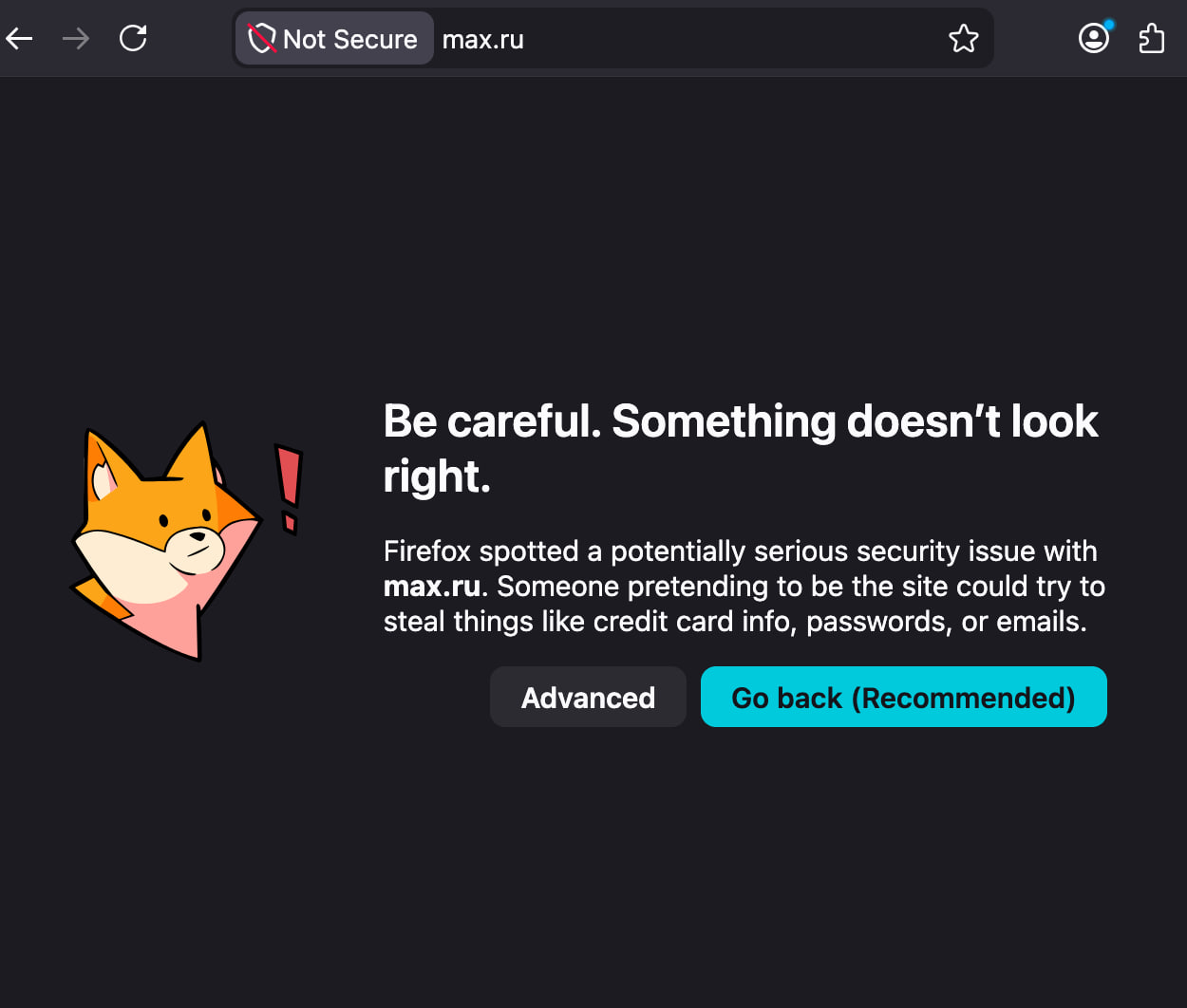
MAX messenger’s TLS certificate was revoked — what this means for users
The state messenger MAX has had its TLS certificate revoked: Firefox and Chrome have started showing a warning about an insecure connection. We explain what happened, how it will affect the app’s operation, and what removal from the App Store has to do with it.
-

Russian messenger MAX disappeared from the App Store: causes and solutions
The Russian messenger MAX has become unavailable in the App Store for iPhone users. This is due to regional restrictions. Learn how to work around the problem and install the app on your device. We look at possible reasons for its removal and suggest solutions for users.
-
PyPI is accessible again in Russia: what happened
Russian users ran into problems accessing PyPI on June 1, 2026. Roskomnadzor denies blocking it, but users report failures from Russian IP addresses. Access to PyPI has now been restored. We explain what happened and how it affected developers in Russia.
-
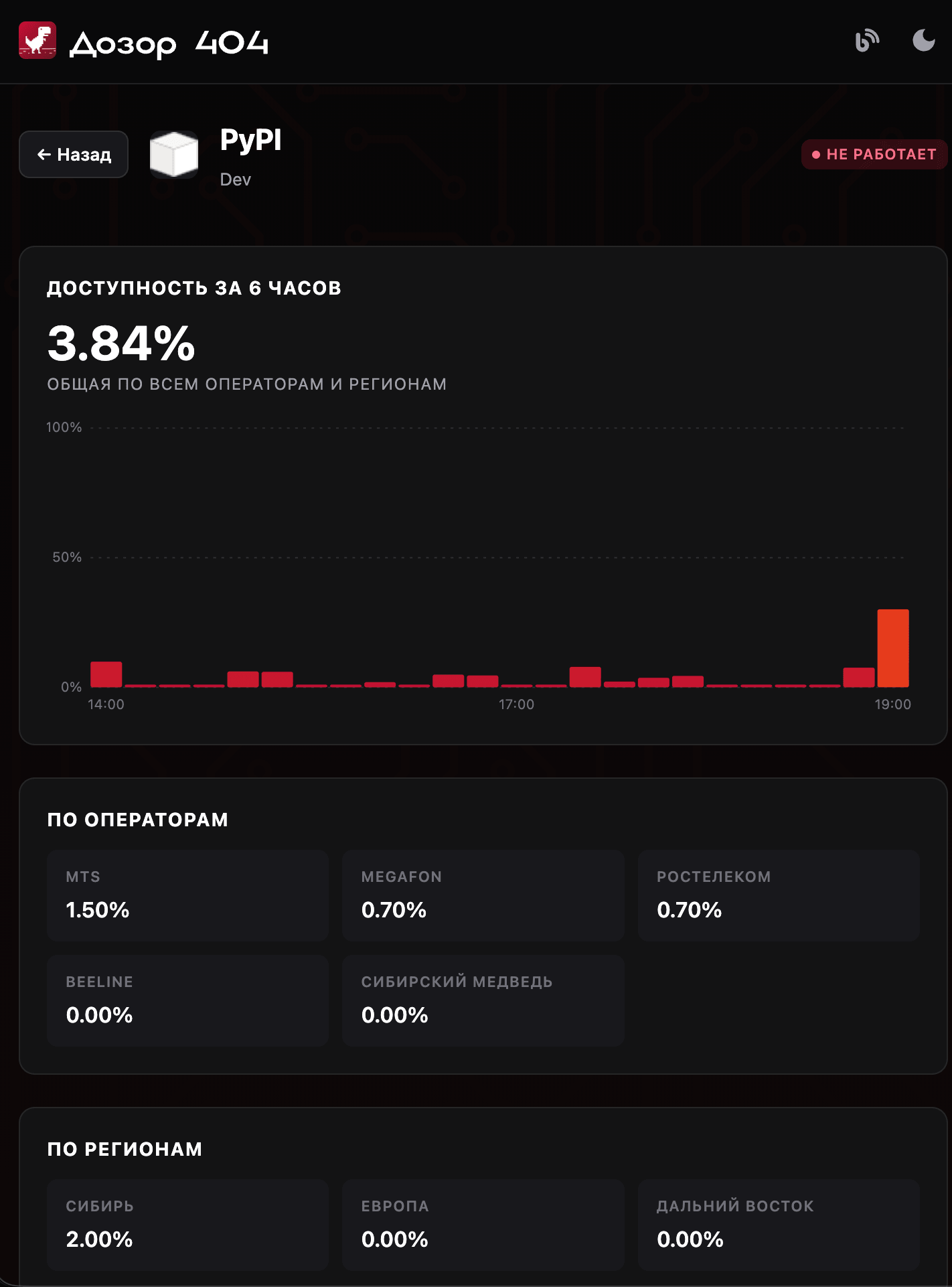
PyPI is not working in Russia: RKN of course is not blocking anything, but Python developers feel like hanging themselves
Problems with pypi.org — the main repository for Python packages — have begun in Russia. The TLS handshake is being cut off, and developers’ deployments and CI are breaking. Roskomnadzor “is not restricting anything.” We explain what happened and how to keep working.
-
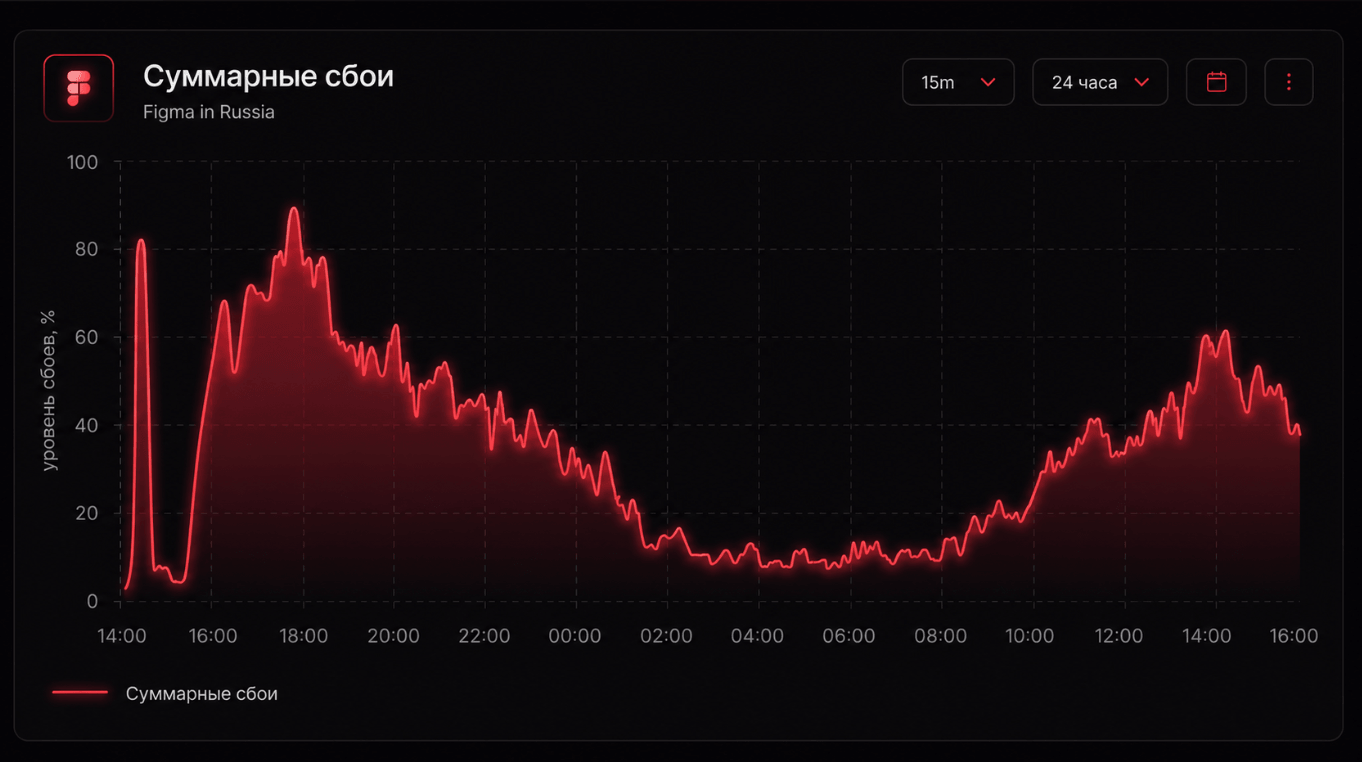
Figma is not working in Russia: blocking or a widespread outage — what happened and how to access it
Figma has been unavailable to users in Russia without a VPN for about 24 hours: there are complaints on Downdetector, and Freedom Checker is recording connection drops. We explain what is known, how to open Figma right now, and what can replace it.
-
Snowdn VPN — review, status in Russia, how to connect
Snowdn VPN is a service from the Telegram bot @snowdnVPN_bot with several protocols to choose from and support for iOS, Android, Windows, Mac, and Linux. Review, price 479 ₽, pros and cons, how to connect, and whether it works in Russia.
-
SLOVOVPN — review, status in Russia, how to connect
Review of SLOVOVPN: a VPN using the VLESS Reality protocol for 150 ₽, servers in 50+ countries, and setup in 2 minutes on any device. We look at the pros, cons, status in Russia, and how to connect.
-
Perets VPN — review, status in Russia, and how to connect
Perets VPN (Перец VPN, perec.app) is a service with a free plan for everyone and an inexpensive subscription from 189 ₽ for maximum quality. Up to 4 devices. We examine the pros, cons, and how to connect in Russia.
-
Paper VPN — review, status in Russia, how to connect
Paper VPN has been operating since 2022 and has survived several protocol blocks in Russia. We look at how the service holds up against Roskomnadzor (RKN), how much it costs (290 ₽), what the 30-day money-back guarantee and traffic limit look like, and how to connect it.
-
Magnum VPN — review, status in Russia, how to connect
Magnum VPN is a VPN service that works through the Telegram bot @Magnumvpnbot. It promises stable YouTube and TikTok access, unlimited traffic, up to 7 devices, and bonuses for invited friends. The subscription costs 299 ₽. We examine its features, pros and cons, protocols and connection procedure, as well as what to do if the service does not work with your operator.
-
LIBERTY VPN — review, status in Russia, how to connect
LIBERTY VPN is a VPN service with connection through a Telegram bot, positioned around the idea of free internet access and bypassing blocks in Russia. We look at what is known about the service, its pros and cons, how to connect, and what to replace it with if the VPN does not work with your operator.
-
Durev VPN — review, status in Russia, how to connect
Durev VPN is one of the safest VPNs for Russia: registration via the durevpn.com website or the Telegram bot @DureVpnBot, servers in 50+ countries, unlimited traffic, up to 10 devices, and a strict no-logs policy. We look at its features and how to connect.
-
BlancVPN — review, status in Russia, how to connect
BlancVPN review: unlimited traffic, no device limit, V2Ray, WireGuard, OpenVPN and Outline protocols, 50+ locations. Price about 916 ₽/month, whether it works in Russia, payment with Russian cards, and how to connect.
-
ART VPN — review, status in Russia, how to connect
ART VPN is a VPN using the VLESS Reality protocol, with no logs and no traffic limits, from 150 ₽/month. Servers in Europe, up to 5 devices. Review, pros and cons, how to connect and pay from Russia.
-
Sirius VPN — review, status in Russia, how to connect
Sirius VPN: price 300₽, WireGuard + AmneziaWG, backup channel via StarLink. Live availability status by Russian operators, pros and cons, FAQ.
-
How to check whether DNS is leaking through a VPN
What a DNS leak is, why your ISP can see your queries even when a VPN is enabled, how to check for a leak with dnsleaktest.com, and which client settings close it.
-
Which VPN works in Russia right now
How to understand which VPN works in Russia now, why one service may open on one operator and not work on another, and how to check availability.
-
DPI, SNI, DNS, and IP blocking: 4 ways to break access
How DNS, SNI, IP, and DPI blocking differ, which layer each one works on, and how a user can tell which type of filtering was applied to their traffic.
-
VPN is connected, but the internet does not work — what to do
The VPN shows “Connected,” but websites do not open: we look at DNS, routing, a blocked server IP, and client failure. How to check.
-
Federal Tax Service and foreign accounts: who must report by June 1
Russian tax residents must submit a report on the movement of funds in foreign accounts by June 1. Deadlines, form, fines, and filing procedure.
-
Your own VPN on a VPS: what you need to know before deployment
What a self-hosted VPN is, how it differs from a paid service, what tasks it solves and which it does not, and what you need to prepare before setting up a server.
-
Biometrics in banks, transport, and Gosuslugi (Госуслуги): where control is lost
The Unified Biometric System in Russia: where biometrics are collected (banks, MFCs), what is collected (face + voice), where they are used (bank login, Face Pay, Gosuslugi), and how to opt out under Federal Law No. 572-FZ.
-
"Offenses against the interests of the Russian Federation": why vague wording is dangerous
An analysis of the wording “offenses against the interests of the Russian Federation”: which offenses fall under it, how it is applied in practice, and where the legal uncertainty lies.
-
Unified military registration register: what data the state collects
What information is entered into the unified military registration register: SNILS, INN, passport, employer, education, medical data. Sources: Federal Tax Service, Pension Fund of Russia, Ministry of Health, Ministry of Internal Affairs, education authorities.
-
TSPU and DPI: how technical infrastructure turns into censorship
TSPU and DPI in Russia: what they are, which operators have them installed, and how Twitter throttling and VPN protocol blocking work through them.
-
Russia discusses seizing the property of people who relocated abroad: what you need to know
A factual analysis of the bill on seizing property for offenses against the interests of the Russian Federation: the stage of consideration, its scope, and what property it affects.
-
Why free VPNs are dangerous: logs, ads, leaks, traffic sales
Why a free VPN almost always makes money from the user: activity logs, traffic sales, ad injection into HTTP, DNS and WebRTC leaks, and malware in Android clients.
-
VPN not working on iPhone: what to check
VPN on iPhone keeps dropping, will not connect, or connects but the internet does not work. We look at iOS-specific issues: On-Demand, IKEv2 and WireGuard profiles, conflicts, and iOS updates.
-
How to prepare a smartphone for returning to Russia: digital hygiene
Legal steps to minimize data on a smartphone before traveling to the Russian Federation: backup, travel device, trusted person. No advice on “how to evade an inspection”.
-
State messenger MAX: why you should not register unless you need to
MAX is a national messenger based on VK with a digital ID from Gosuslugi (Госуслуги). What it collects, what jurisdiction it is under, and what data you are required to provide when registering.
-
Rosfinmonitoring (Росфинмониторинг) list of terrorists and extremists: what being listed means
The Rosfinmonitoring list blocks banking operations without a court ruling: a limit of 10,000 ₽ per month and banks refusing service. We explain how it works, how it differs from other registers, and how to appeal.
-
Personal risk map before a trip to Russia
A 9-point checklist before traveling to the Russian Federation: registries, accounts, donations, public posts, a trusted person. No alarmism — a practical check.
-

SOCKS5 Does Not Work in Russia: Reasons
Why SOCKS5 has largely stopped working in Russia, how DPI detects proxy traffic, how SOCKS5 differs from Shadowsocks, and where it still makes sense.
-
How to install a VPN on iOS if it is unavailable in your region
What to do if the VPN client you need has been removed from the Russian App Store: how to change your Apple Account region, what the consequences are, and what Apple offers.
-
Hiddify does not connect: profile, server, DNS, or blocking
Diagnostics for why Hiddify is not working: a dead profile, an unreachable server, DNS problems, or protocol filtering. Symptoms in a table — what to fix.
-
Tax residency after relocation: "I left" ≠ "they forgot about me"
The 183-day rule, the consequences of losing residency, the 30% personal income tax rate, and the abolition of currency reporting. What changes and what does not.
-
How to set up your own MTProto proxy for Telegram
What you need to run your own MTProxy on a VPS, how to generate a secret and build a tg://proxy link, why port 443 is preferable, and how long a proxy usually lasts on a single IP.
-
MAX as Russia's WeChat: messenger or control platform
MAX is moving toward the Chinese WeChat model: integration with Gosuslugi (Госуслуги), digital ID, and payments. What this means for user privacy.
-
Amnezia VPN: self-hosted VPN without manual server setup
Amnezia is an open-source client that installs a VPN on your VPS through a wizard, without the CLI. Protocols, how it differs from ready-made services, and when you need it.
-
Foreign agents in Russia: how the Ministry of Justice registry works and why it is more than a label
Who is added to the foreign agents registry: criteria for “foreign influence,” labeling, reporting, the ban on public office and elections. The procedure for inclusion and appeal.
-

Telegram Proxy not working: what to check
Why an MTProto proxy in Telegram stops working, how it differs from SOCKS5, how to check the settings, and where to find a live proxy server.
-
Your own VPN or a paid service: which is more reliable in Russia
A detailed trade-off matrix between a self-hosted VPN and a paid commercial VPN: price, trust, IP pool, support, resistance to blocking, and anonymity.
-
Chronicles of Tightening the Screws: a map of repressive laws in recent years
A dry 2022–2026 timeline: foreign agents, discrediting the army, military fakes, a fine for searching for extremist materials, MAX, the summons register. What was adopted, and when.
-
How to check whether your data has leaked: a safe approach without panic
Where to safely check an email address, password, and phone number for leaks, which tools are suitable for Russia, and what to do after finding a leak.
-
Donations as a criminal risk: why an old payment can resurface
Article 282.3 of the Criminal Code and old donations: how a bank statement and merchant ID can become grounds for a case, limitation periods, and what investigators record.
-
Phone number leak: why it is the key to your entire digital life
A phone number is a login for Gosuslugi (Госуслуги), Telegram, and banks. What SIM swap means, how scammers replace a SIM through the operator, how to protect yourself (a PIN in the operator’s personal account, 2FA not via SMS), and what happens when a Telegram account is hijacked.
-
Restrictions after an electronic summons: leaving the country, driving licenses, transactions
What takes effect after a summons appears in the registry: a ban on leaving the country; after 20 days, a ban on registering as an individual entrepreneur, registering real estate, and obtaining a driving license. When and how the restrictions are lifted.
-
Mandatory preinstallation of MAX: how the state gets into your smartphone
From September 1, 2025, MAX must be preinstalled on devices in Russia. What this means in practice, whether it can be removed, and what alternatives remain.
-
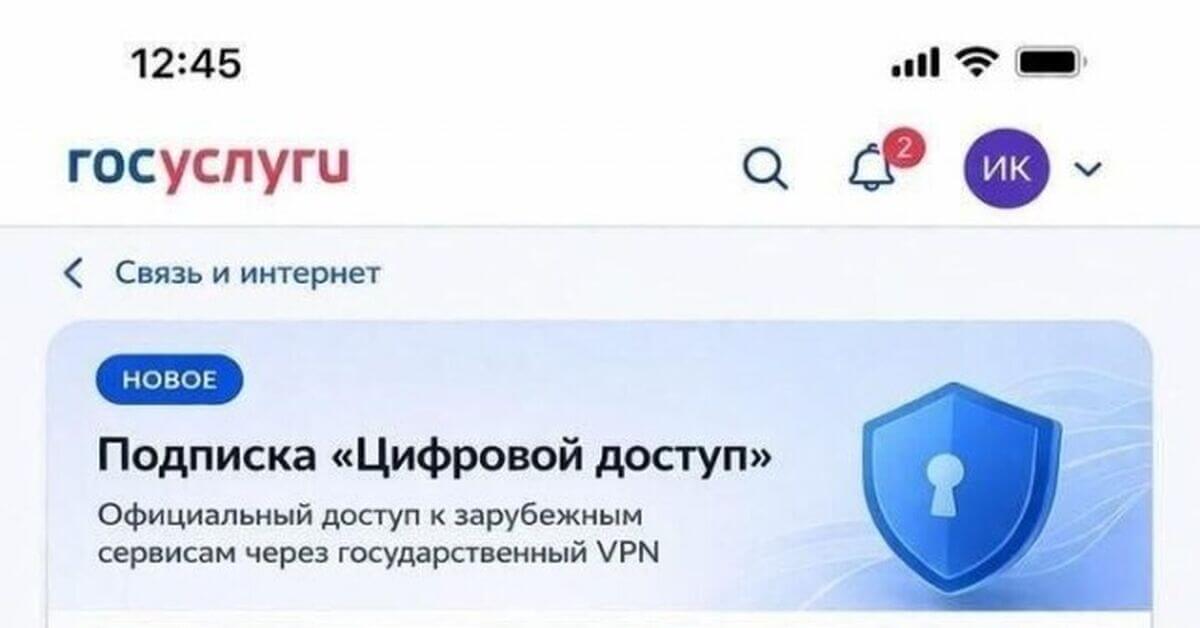
Gosuslugi (Госуслуги) Does Not Work with VPN: Cause and How to Check
Why Gosuslugi and ESIA (ЕСИА) do not allow access through a VPN: IP checks, browser fingerprinting, SMS authorization. How to open Gosuslugi via split tunneling and check availability with Freedom Checker.
-

WireGuard does not connect: common causes
Why WireGuard gets stuck at the handshake, how UDP blocking, errors in endpoint and AllowedIPs affect it, and why WG is so easy for DPI to detect.
-
Post, like, repost: what digital traces are used in political cases
Which Criminal Code articles are used for social media posts, what counts as dissemination, how a post is recorded (notarial inspection, screenshot, linguistic expert analysis), and why deleting a post does not remove the evidence.
-
Phone checks at the Russian border: passenger rights and risks
The legal status of searches of electronic devices when crossing the Russian border: what you may be asked, what you are not required to answer, and what the consequences may be.
-
VLESS + REALITY in simple terms
What VLESS and REALITY are, how REALITY uses another website’s TLS handshake for masking, and why this combination is more resistant to DPI than classic VPN protocols.
-
Hiddify (HApp): what this app is and where to get it
Hiddify is an open-source multi-platform proxy client based on sing-box, with TUN mode and remote profiles. Who needs it and where to download the current build.
-
A person disappeared from the MVD database — why the risk does not disappear
The record disappeared from the public wanted-persons database of the MVD: what this means in practice, database reloads, hidden records, in absentia cases.
-
Why “I have nothing to hide” no longer works
Four plain counterarguments to the phrase “I have nothing to hide”: leaks happen to everyone, errors in registries affect people with the same surname, laws change retrospectively, and data about you belongs not to you but to services and the state.
-
The wanted list as a political tool: what the Mediazona database shows
In-absentia wanted notices under political articles: journalists, politicians, Articles 275, 280.3, 207.3. How this works in practice and what it means for the person targeted.
-
What Is DPI Blocking of VPNs and How Does It Work
How TSPU systems recognize VPN traffic by protocol signatures, how DPI differs from blocking by IP, SNI, and DNS, and why some protocols are easy to block while others hold up.
-
Unlawful use of the summons register: where the main risk lies
Common failures in the summons register: erroneous entry, wrong military enlistment office, a summons for someone removed from the register. How to appeal through your personal account, a complaint, and court. Deadlines and procedure.
-
Probiv, Russian-style: how the leaked data market became everyday infrastructure
What “probiv” is, how the market for leaked data in Telegram bots and on the dark web works, where the information comes from, and why tougher laws are not working yet.
-
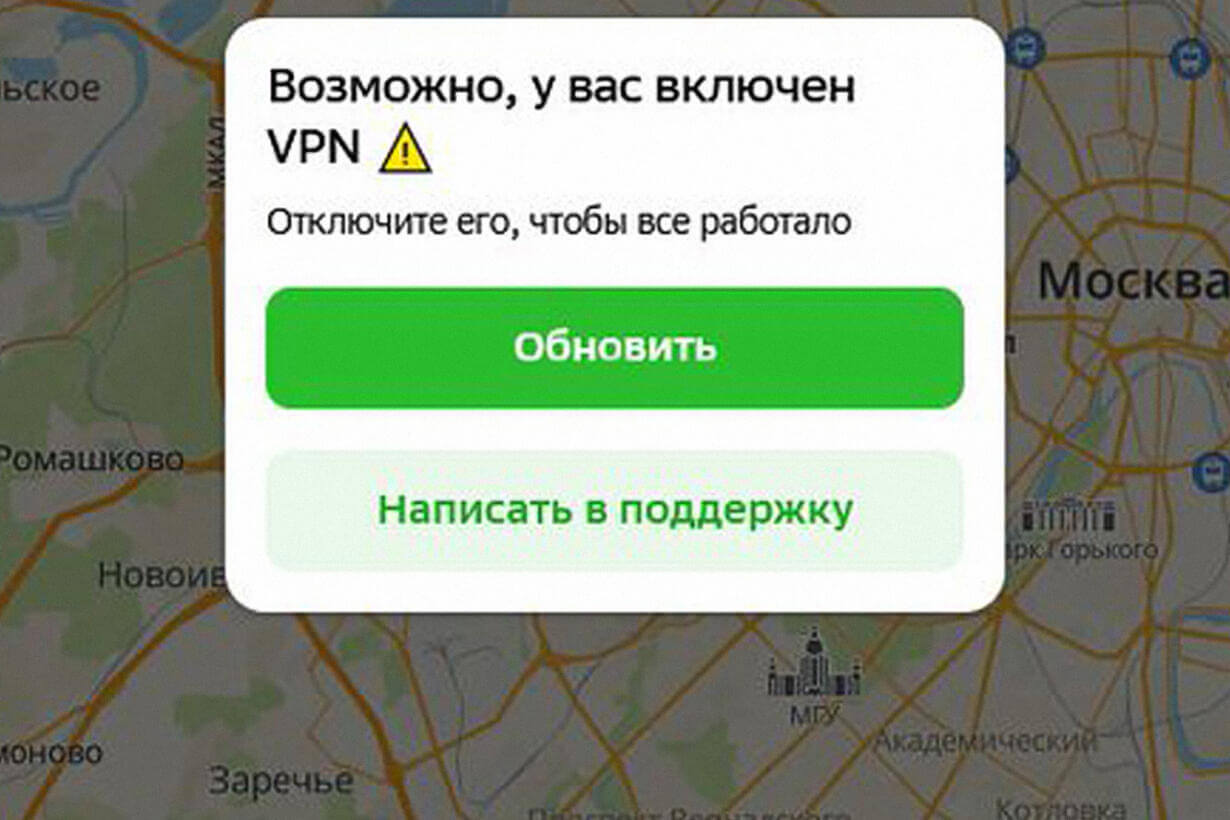
Russian websites ask you to turn off your VPN — why this happens
Why Russian websites, banks, and services ask you to turn off your VPN: anti-fraud systems, IP-based checks, and security policy. How to check whether a site is available with and without a VPN using Freedom Checker.
-
Subscription URL: what a VPN profile subscription is and how to update it
A Subscription URL is a link from which the client pulls and updates the VPN profile itself. The format, what “expired” means, and why the stability of the subscription host matters.
-
Undesirable organizations: why reposts and donations have become a risk
What the status of an “undesirable organization” means, how Article 284.1 of the Criminal Code works, and which actions (a repost, a donation, attending an event) are classified as “participation”.
-
MTProto Proxy: what it is and why Telegram needs it
An MTProto proxy is Telegram’s own proxy protocol for the MTProto transport. How it differs from SOCKS5 and VPN, what it is used for, and why it is well masked as HTTPS.
-
What the FSB knows about us: from SORM to facial recognition cameras
What is included in a user's digital profile for Russian security services: SORM, billing, cameras, biometrics, messages — and what is not included.
-

VPN not working today: outage or mass blocking
VPN stopped working on the same day — is it a provider outage or mass blocking? How to tell in 5 minutes and what to do in each case.
-
Why Russian apps detect VPNs and ask you to turn them off
How anti-fraud systems at Russian services recognize a foreign IP address, why banks and Gosuslugi (Госуслуги) ask you to turn off your VPN, and how to work around this specific behavior with split tunneling.
-
Database leaks in Russia: why your data has long been online
How much personal data of Russians has already leaked, which specific fields are publicly available, and where leaked databases come from — without catastrophizing.
-
Legal aspects of VPNs in Russia: what is prohibited and what is not
A concise overview of VPN legislation in Russia: what is explicitly prohibited, what is regulated, and what is not covered by the bans. Not legal advice — consult a lawyer for clarification.
-
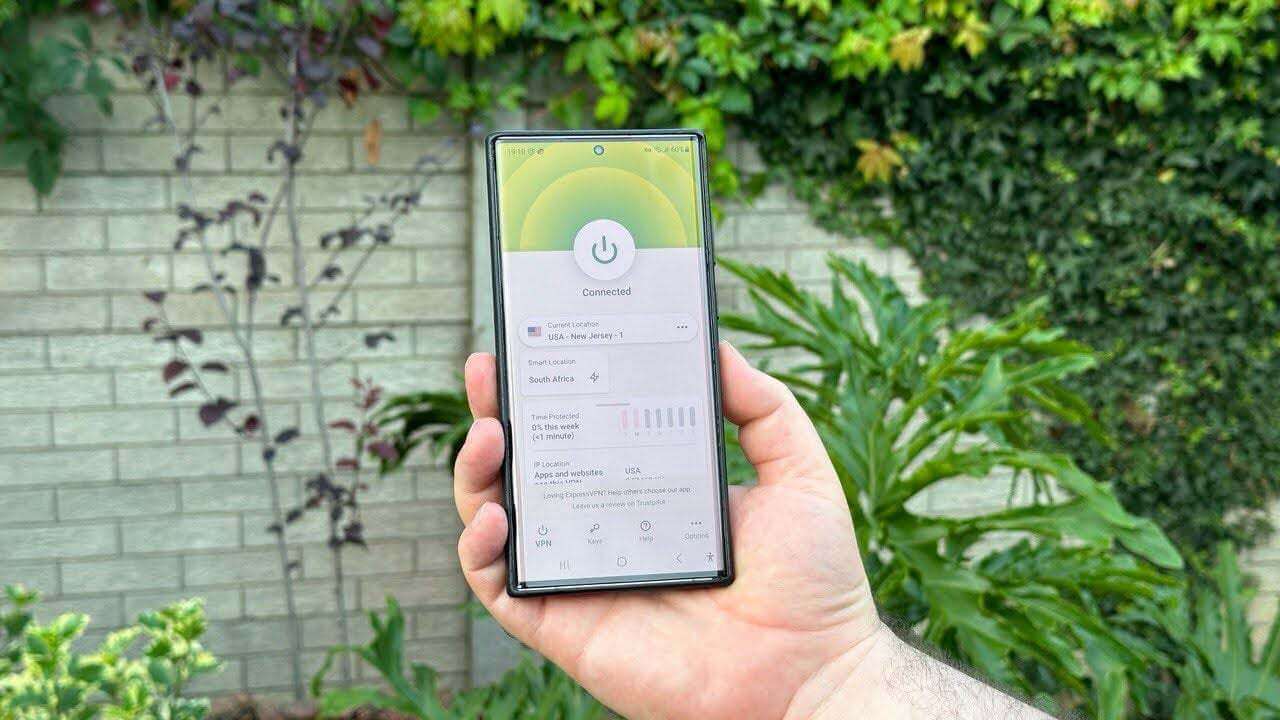
VPN not working on Android: common causes
VPNs on Android are often broken by battery optimizations, Private DNS, kill switch, and custom Samsung/MIUI firmware. We look at specific symptoms and quick checks.
-
How TSPU (ТСПУ) works: why a site loads on one operator and not on another
What TSPU (ТСПУ) is, how the chain user → operator → filter → provider is structured, and why the same site loads on MTS but not on MegaFon.
-
MAX and Gosuslugi (Госуслуги): why linking a messenger, passport and digital ID is dangerous
MAX integration with the Gosuslugi (Госуслуги) digital ID: what it means to “receive government services through a messenger”, what data is concentrated in one linked system, and what the risks are.
-
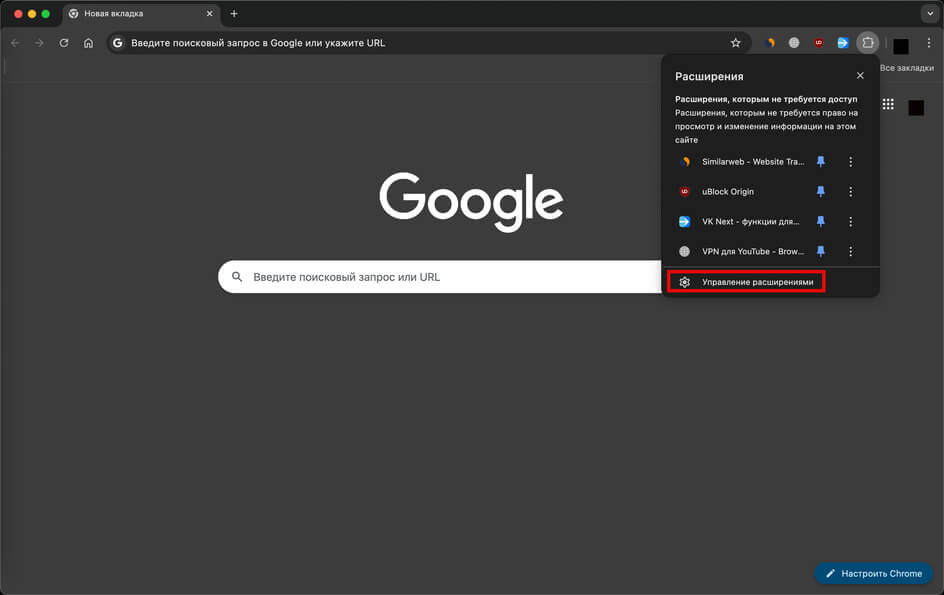
VPN works in the browser but not in apps — why
VPN in the browser opens websites, but apps do not connect: split tunneling, certificate pinning, and the difference between proxy and system VPN.
-
Treason cases: why they have become widespread and closed to the public
Article 275 of the Russian Criminal Code: what treason cases are opened for, why trials are held behind closed doors, and what sentences are being handed down on average today.
-
WireGuard, OpenVPN, Shadowsocks: what is faster and what breaks more often
A comparison of WireGuard, OpenVPN, and Shadowsocks by speed, stability, DPI resistance, and ease of setup. Which one suits whom in 2026.
-

Why only some websites work
Yandex and Gosuslugi open, but everything else does not — or the other way around. We explain whitelists, partial blocking, regional restrictions, and CDN failures.
-
Ban on promoting VPNs: what it means for websites, bloggers, and users
What Roskomnadzor Order No. 196 regulates regarding the ban on promoting tools for bypassing blocks, which materials fall under the ban, and which do not. Not legal advice.
-
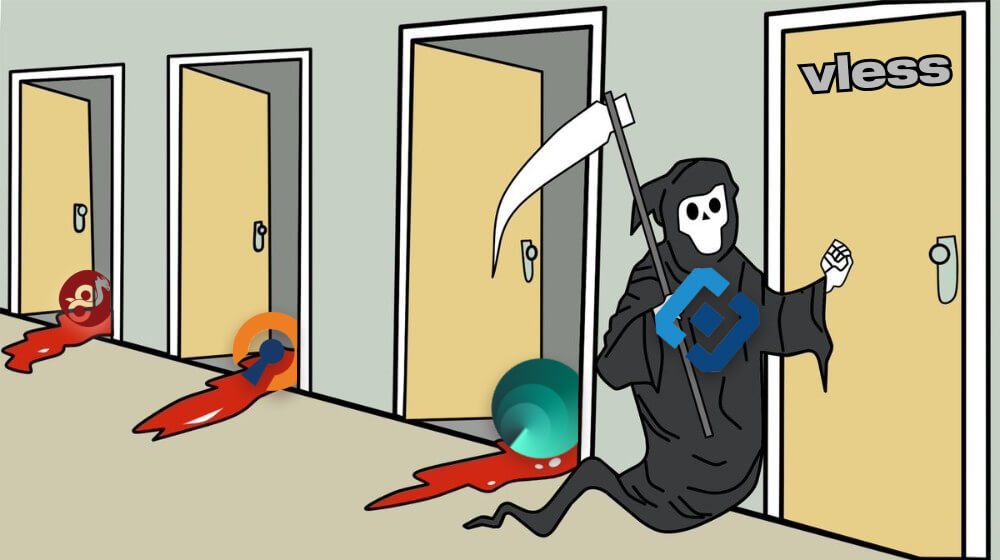
VLESS not working: server failure or blocking
How to understand why VLESS stopped working: the server went down, there is an error in the config, or the TSPU has learned to detect a new signature. How XTLS-Vision and REALITY help against DPI.
-
VPNs removed from the App Store in Russia: what is happening
Why Apple is removing VPNs from the Russian App Store at Roskomnadzor’s request, which apps have already disappeared, what happens to apps already installed, and what legal alternatives are available.
-
Digital archive at the border: why it is dangerous to carry everything with you
Old posts, 2022 chats, photos of protests, banking apps with international transfers: how a smartphone becomes “evidence”.
-
Passport data leak: what can actually go wrong
Microloans taken out using stolen data, fake SIM cards, targeted phishing — what actually happens after passport data is leaked and what you can do: request your credit history from a credit bureau, file a report with the Ministry of Internal Affairs, set an SMS ban at your bank, and check for loans.
-
Xray-core, sing-box, Hiddify, Amnezia: who is responsible for what
Layer separation in modern VPN stacks: cores (Xray-core, sing-box) implement protocols, while clients (Hiddify, Amnezia) provide the UI and configuration. When you need a core, and when you need a wrapper.
-
Article 275.1 of the Criminal Code: what “confidential cooperation” means
Article 275.1 of the Criminal Code of the Russian Federation appeared in 2022: we break down the wording, the penalty of up to 8 years, and how it differs from classic high treason.
-
Why scammers know your bank, address, and recent activity
How a typical phone scam works: the chain from a data leak to a plausible call from a “bank security service,” and what actually helps protect you.
-
How a bank statement becomes evidence in a political case
How investigators obtain statements by sending a request to a bank, how a merchant ID is read, and what data retention periods a bank must follow under Federal Laws 161-FZ and 115-FZ.
-
What are website whitelists in Russia?
Website whitelists in Russia: what they are, which resources are included, how they differ from ordinary filtering, and what the user sees when whitelists are enabled. How to check availability with Freedom Checker.
-
Political prisoners in Russia: where to find the lists and how to read them correctly
Lists of political prisoners in Russia: who maintains them, what criteria are used for inclusion, and how a “political prisoner” differs from a “persecuted person” and a “foreign agent”.
-
Why public MTProto proxies die quickly
The life cycle of a public MTProxy: overload, being added to the Roskomnadzor register, shutdown by the owner, IP overheating. How long, on average, a proxy from an open channel lives and where to get fresh ones.
-
How to tell that it is not the site being blocked, but the VPN protocol
Signs of protocol-level blocking: the site opens without a VPN, but the VPN does not connect. How DPI detects VPNs by handshake and packet patterns, and when changing the protocol helps.
-
Face recognition in Russia: cameras in the metro, "Bezopasny Gorod (Безопасный город)"
Face recognition in Moscow and the regions: 220,000 cameras, Face Pay in the metro, "Bezopasny Gorod (Безопасный город)", EBS, and social networks as a source for the face database.
-
How to opt out of biometrics and check what is already in the Unified Biometric System (EBS)
Step-by-step instructions: opting out of biometrics through Gosuslugi (Госуслуги) and MFC (МФЦ), deleting a template from the EBS, the consequences of opting out, and whether you can submit data later.
-
Which VPN works in Russia right now — a brief breakdown
Which VPN works in Russia right now: which protocols actually get through on different operators, what is changing, and how to check availability.
-

How to check whether a specific website is blocked in Russia
Several ways to check whether a website is blocked in Russia: the Roskomnadzor registry, checks across different operators and regions via Freedom Checker. How to distinguish blocking from a normal outage.
-
Gosuslugi (Госуслуги) as a single point of dependency: why one account has become too important
What is linked to Gosuslugi: passport, SNILS, INN, medical record, car, taxes, draft notices, digital ID. What account takeover means and how to protect against it.
-
Xray-core in plain terms: how it differs from a regular VPN
What Xray-core is, how it differs from classic VPNs (WireGuard, OpenVPN), which protocols it supports, and why XTLS and REALITY are needed.
-
Digital Gulag: What the Russian Control System Is Made Of
Digital Gulag in Russia: registries, cameras, EBS (ЕБС), SORM, TSPU, Gosuslugi (Госуслуги), banks, and digital ID — how the components are linked into a single citizen profile.
-
Law on Searching for Extremist Materials: What Is New and Why It Matters
From September 1, 2025, the Code of Administrative Offences introduces a 3,000–5,000 ₽ fine for searching for knowingly extremist materials. What counts as a “targeted search,” how and through what it is recorded, and what this means for VPN users.
-
How VPN server ping and geography affect speed
Why “closer ≠ always faster,” how ping differs from speed, what RTT, jitter, and MTR are, and how to actually measure route quality to a VPN server.
-
Why one VPN works on MTS but not on MegaFon
The same VPN server connects on one operator but not on another. We explain why TSPU devices are deployed differently and how to diagnose this.
-
Foreign e-wallets: why the Federal Tax Service requires reports
Since 2020, Russian residents have been required to report foreign e-wallets if total incoming funds exceed 600,000 ₽ per year. Deadlines and fines.
-
Ozon and Wildberries do not open with a VPN: the reason
Why Ozon and Wildberries do not open or do not let you proceed to checkout with a VPN enabled: marketplace anti-fraud systems, CAPTCHAs, and payment blocking. How to check with Freedom Checker.
-
Russia’s repressive registries: how lists ruin lives without a conviction
Foreign agents, terrorists, undesirables, the summons register: an overview of Russia’s main repressive registries, who maintains them, and what consequences follow without a trial or conviction.
-
Where to host a VPN server for Russia: Europe, Turkey, Kazakhstan, Asia
Which country to choose for your VPN server for users in Russia: ping and blocking in Finland, Germany, the Netherlands, Turkey, Kazakhstan, Armenia, and Asia.
-
Who the Ministry of Internal Affairs is looking for: how to read the wanted database and avoid confusing someone with a namesake
The Ministry of Internal Affairs wanted database: what a record means, why the date of birth is needed, how to tell a namesake from the actual person in a case, and what to do if there is a match.
-
How to choose a VPS for your own VPN: country, ping, price, risks
Which VPS to choose for your own VPN: what to look at in the country and jurisdiction, how to measure ping to Russia, how KVM differs from OpenVZ, what a “traffic limit” means, and what abuse mail has to do with it.
-
SORM in plain terms: how law enforcement access infrastructure works
SORM in Russia: how SORM-1, SORM-2 and SORM-3 are structured, what the FSB can access from operators’ traffic, and what remains outside its reach.
-
MTProto, SOCKS5 and VPN: what to choose for Telegram
A comparison of MTProxy, SOCKS5 and a full VPN for Telegram: which masks traffic better, which is more universal, which is easier to set up, and when each of these options is needed.
-
Government databases: how state agencies link information about a person
How Gosuslugi (Госуслуги), the Federal Tax Service, the summons register, banks, the Unified Biometric System, and telecom operators are connected. A citizen’s digital profile, a single entry point, and the risks of one account.
-
Russian summons register: how the electronic summons became a digital lever
What the unified summons register on Gosuslugi (Госуслуги) is, when a summons is considered served, what the deadlines are, and what measures are applied to those who fail to appear. Plain facts with no assessment.
-
VLESS, REALITY, Hysteria2, TUIC, WireGuard: a guide to modern protocols
How modern VPN and proxy protocols differ: VLESS-REALITY, Hysteria2, TUIC, WireGuard, and classic OpenVPN/L2TP. A summary table on transport, obfuscation, and resistance to DPI.
-
How to install Hiddify on iPhone, Android, Windows, and macOS
Step-by-step installation of Hiddify (HApp) on 4 platforms: where to get the build, how to import a subscription URL, and what the VPN permission request on iOS means.
-
Why a VPN slows YouTube down so much
YouTube over a VPN barely loads — even on fast internet. We examine the causes: the route to GFE, the protocol, MTU/MSS, and overload of the VPN server’s upstream channel.
-
Why VPN does not work on mobile internet — an analysis
VPN works over Wi‑Fi but drops on LTE: we look at CGNAT, carrier filtering, UDP blocks, and MTU. How to fix it.
-
Provocations by law enforcement online: how a chat becomes a criminal case
The typical mechanics of provocations in chats: an anonymous interlocutor, a “foreigner” with a request, and correspondence used as evidence. What to do in an ideal situation.
-
Check yourself in wanted, foreign-agent, and risk registries via Wanted Radar
Wanted Radar is a search tool for the Russian Interior Ministry’s wanted database and a navigator for other repressive registries: foreign agents, terrorists and extremists, and summonses.
-
sing-box in plain terms: a universal proxy core
What sing-box is, which protocols it supports (VLESS, VMess, Shadowsocks, Hysteria, TUIC, WireGuard, ShadowTLS), and who needs a universal client instead of separate VPN apps.