VPNs, internet censorship and repressive registries — the Ateo Digital blog
This is the Ateo Digital blog about how the Russian internet is being broken from above and how its users get access back from below. Which VPNs work in Russia right now, how the Roskomnadzor whitelists are circumvented, what carrier-level DPI and throttling actually do, how the MVD wanted list and the foreign-agent and extremist registries are built, and how to protect your data and your messages.
The material is organised around four subject areas:
- VPNs and circumvention. Which protocols (WireGuard, Xray Reality, Hysteria2, Hiddify, sing-box) are alive on each Russian carrier, why a VPN slows YouTube down, how to run your own VPS, and how MTProto proxies differ from SOCKS5. Grounded in live measurements from Freedom Checker — our own monitoring network on physical probes in European Russia, Siberia and the Far East.
- The laws governing Runet. Plain readings of new federal laws and regulations: tightening around VPNs, fines for “extremist search queries”, mandatory authentication through Russian services, SORM, the digital citizen profile — and what each means in practice.
- Repressive registries. How the public MVD databases, conscription registers and the foreign-agent and extremist lists are built, and how they are used at the border and during street stops. Wanted Radar searches the open wanted-list export online.
- Service availability. What is blocked, throttled or VPN-only: YouTube, ChatGPT, Instagram, Telegram, Figma, Notion, state portals. Freedom Checker measures which of them open from Russian home and mobile carriers, with and without a VPN — from real probes inside the country rather than from data centres.
Articles are updated when the facts change, not on a schedule: a law is signed, a service is blocked, a working workaround appears — the revision goes out within hours.
-
eSIM for Egypt, Georgia, Thailand and the UAE: prices and coverage
Four destinations with the catalogue's fullest coverage — five or six services out of six. We price an identical basket and show where the usual leader loses.
-
Mobile-internet shutdowns in Russia: will a travel eSIM help
The short answer is no, and the data show it. All six catalogue services describe themselves as travel-only, none promises to work during a shutdown, and every field covering that scenario is blank at all six.
-
Roaming or eSIM: how to compare honestly and what to count
We measure the price of travel eSIMs and not operators' roaming tariffs. So instead of a verdict, a method: the four quantities to compare and where each option hides a catch.
-
eSIM for China: who sells one and what it costs
Four of six services price China, and the spread there is sixfold. The offers, the partner network where it is disclosed, and an honest note on what our catalogue does not know about China.
-
Buying an eSIM: where, for how much and what to check first
A purchase checklist built from six vendors' data: what you can pay with from Russia, what the refund terms are, where a dispute would be heard, and which fields vendors most often leave blank.
-
Mobile data abroad: what it costs and how not to overpay
The price of data abroad across six eSIM services: what one identical basket costs in seven countries, how packages differ from per-gigabyte billing, and what happens once the allowance is gone.
-
International SIM cards for travel abroad: what they actually are
What is sold today as an «international SIM» is a travel eSIM. Six services compared on coverage, basket price and terms — including where the advertised «180 countries» diverges from having actual plans.
-
eSIM for Turkey: six services compared with prices
Turkey is one of only two destinations, alongside Thailand, where all six catalogue services have a plan. We price identical baskets and show how the winner changes with volume and duration.
-
Virtual numbers for SMS: why an eSIM will not help
A travel eSIM gives no number and receives no SMS — confirmed across all six catalogue services. How a virtual number differs from an eSIM and why the two are constantly confused at the point of purchase.
-
What an eSIM is and who actually needs one
An eSIM is an operator profile inside the phone instead of a plastic card. What it does, what it does not do (numbers and SMS — it does not), and what mobile data abroad costs across six services.
-
How to pay a foreign subscription from Russia without overpaying threefold
A recurring payment has its own arithmetic: what decides is the fixed fee, the subscription charge and the card's validity, not the percentage. The annual cost of a 20 $/month subscription across seven services.
-
Which country is your card from: what a BIN is and what it changes
The first six digits tell a merchant the country and bank of issue — and they decide whether a payment goes through. BINs across seven services, including two cases where different vendors share one.
-
A Kazakhstan virtual card for Russians: what is really behind the name
«A Kazakhstan card» usually means not a Kazakh card but a service with a Kazakh legal entity. The difference between a company's jurisdiction and a card's country of issue — and why payments care about the second.
-
Paying on Taobao, eBay and other foreign marketplaces
On a marketplace the payment is in a foreign currency, a dispute is likely and amounts can be large. Three parameters decide here: the cross-currency surcharge, the per-transaction limit and whether disputes exist.
-
Paying for AI services from Russia: ChatGPT, Claude and the rest
Not every foreign card is accepted by AI services, and the vendors say so themselves. Which cards are declared to work for ChatGPT and Claude, and what a 20 $ payment costs at each of the seven.
-
Chargebacks on a virtual card: when you get the money back and when you do not
Chargebacks work differently on prepaid cards. Who provides none at all, who charges 45 $ per dispute, whose claim window is seven days, and what each service's liability cap actually is.
-
Paying foreign services from Russia: what is forbidden and what to pay with
Every virtual-card service keeps its own list of what you may not pay for — and the lists do not agree. We put seven of them side by side: named bans, category bans, and who publishes no list at all.
-
How to pay App Store and iCloud from Russia in 2026
What decides App Store payments is not the card but whether your Apple account region matches the card's country of issue. Who has which billing address, who is explicitly unsuitable, and what to do about Apple Pay.
-
A foreign card for paying abroad: how to choose and what to look at
Who is legally liable for your foreign card, how much you get back when something breaks, what happens to the balance and what each service charges for conversion — seven services with entities and liability caps.
-
Virtual cards explained: which kind you need for paying abroad
«Virtual card» means two different products, and confusing them is expensive: your own bank's card will not work abroad, and a foreign prepaid card will not work inside Russia. Data from seven services.
-

What is under the hood of VPN whitelist circumvention
A partner analysis with the SLOVO VPN team: why a regular VPN does not get through whitelists, how a cascade of servers with an incoming “white” IP is set up, and what VLESS TCP REALITY has to do with it.
-
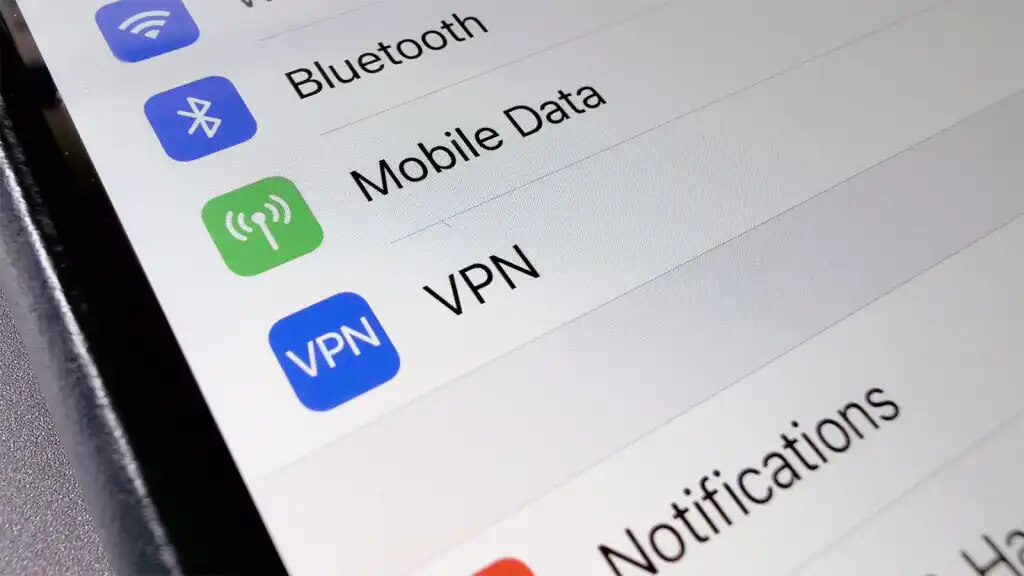
VPN not working on iPhone: what to check
VPN on iPhone keeps dropping, will not connect, or connects but the internet does not work. We look at iOS-specific issues: On-Demand, IKEv2 and WireGuard profiles, conflicts, and iOS updates.
-

SOCKS5 Does Not Work in Russia: Reasons
Why SOCKS5 has largely stopped working in Russia, how DPI detects proxy traffic, how SOCKS5 differs from Shadowsocks, and where it still makes sense.
-
How to install a VPN on iOS if it is unavailable in your region
What to do if the VPN client you need has been removed from the Russian App Store: how to change your Apple Account region, what the consequences are, and what Apple offers.
-

Telegram Proxy not working: what to check
Why an MTProto proxy in Telegram stops working, how it differs from SOCKS5, how to check the settings, and where to find a live proxy server.
-
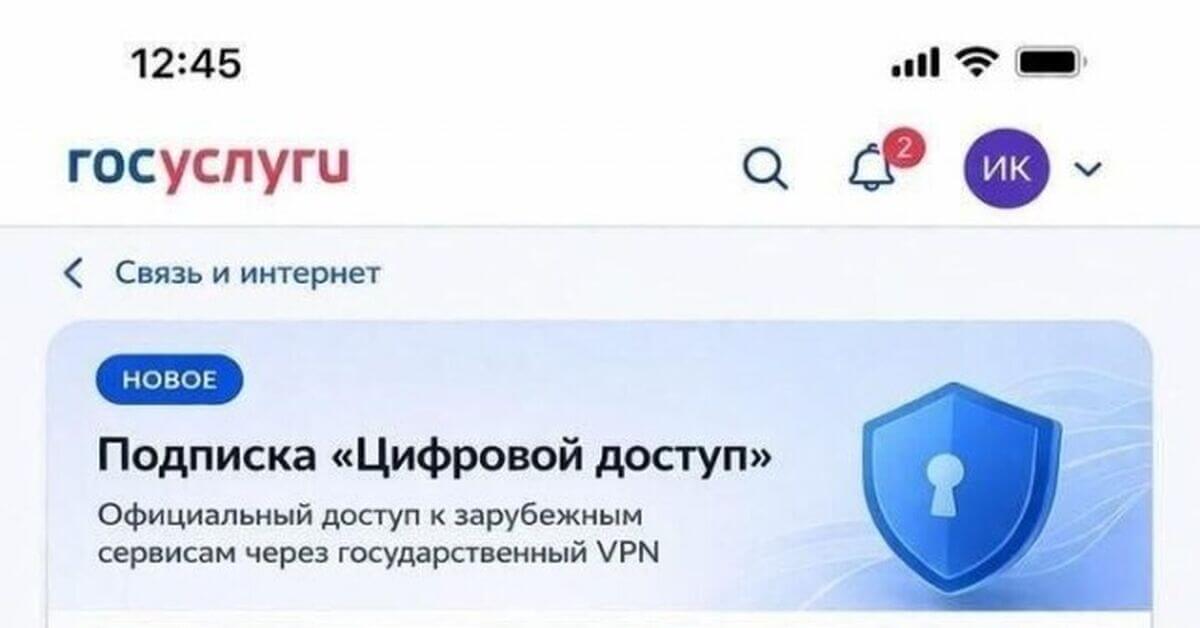
Gosuslugi (Госуслуги) Does Not Work with VPN: Cause and How to Check
Why Gosuslugi and ESIA (ЕСИА) do not allow access through a VPN: IP checks, browser fingerprinting, SMS authorization. How to open Gosuslugi via split tunneling and check availability with Freedom Checker.
-

WireGuard does not connect: common causes
Why WireGuard gets stuck at the handshake, how UDP blocking, errors in endpoint and AllowedIPs affect it, and why WG is so easy for DPI to detect.
-
VLESS + REALITY in simple terms
What VLESS and REALITY are, how REALITY uses another website’s TLS handshake for masking, and why this combination is more resistant to DPI than classic VPN protocols.
-
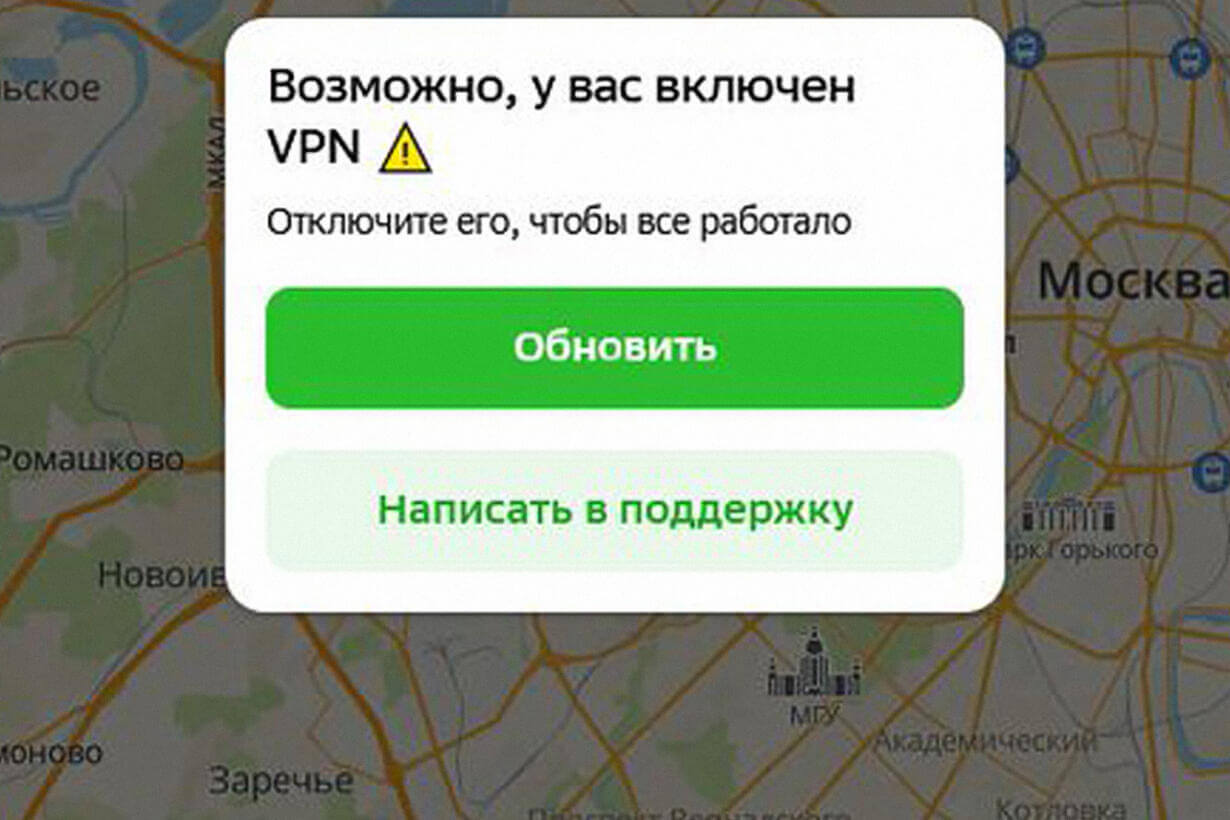
Russian websites ask you to turn off your VPN — why this happens
Why Russian websites, banks, and services ask you to turn off your VPN: anti-fraud systems, IP-based checks, and security policy. How to check whether a site is available with and without a VPN using Freedom Checker.
-
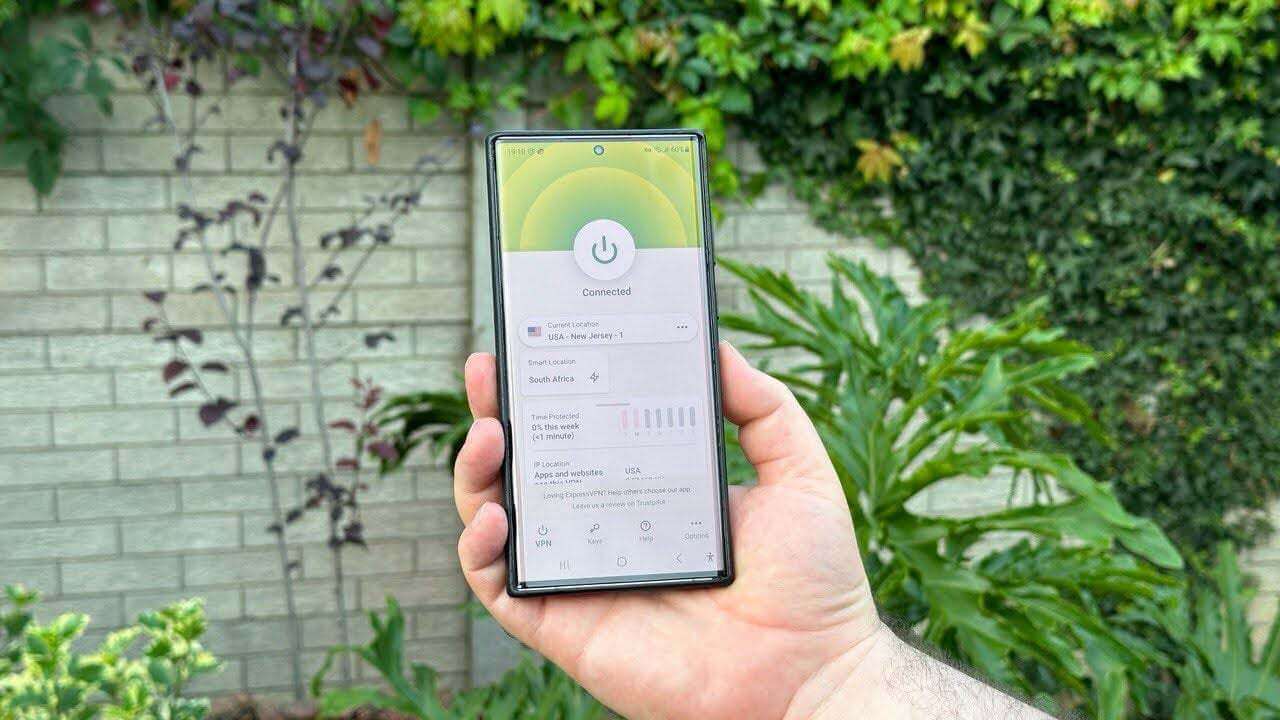
VPN not working on Android: common causes
VPNs on Android are often broken by battery optimizations, Private DNS, kill switch, and custom Samsung/MIUI firmware. We look at specific symptoms and quick checks.
-
WireGuard, OpenVPN, Shadowsocks: what is faster and what breaks more often
A comparison of WireGuard, OpenVPN, and Shadowsocks by speed, stability, DPI resistance, and ease of setup. Which one suits whom in 2026.
-
VLESS not working: server failure or blocking
How to understand why VLESS stopped working: the server went down, there is an error in the config, or the TSPU has learned to detect a new signature. How XTLS-Vision and REALITY help against DPI.
-
Which VPN works in Russia right now — a brief breakdown
Which VPN works in Russia right now: which protocols actually get through on different operators, what is changing, and how to check availability.
-

How to check whether a specific website is blocked in Russia
Several ways to check whether a website is blocked in Russia: the Roskomnadzor registry, checks across different operators and regions via Freedom Checker. How to distinguish blocking from a normal outage.
-
Xray-core in plain terms: how it differs from a regular VPN
What Xray-core is, how it differs from classic VPNs (WireGuard, OpenVPN), which protocols it supports, and why XTLS and REALITY are needed.
-
Ozon and Wildberries do not open with a VPN: the reason
Why Ozon and Wildberries do not open or do not let you proceed to checkout with a VPN enabled: marketplace anti-fraud systems, CAPTCHAs, and payment blocking. How to check with Freedom Checker.
-
VLESS, REALITY, Hysteria2, TUIC, WireGuard: a guide to modern protocols
How modern VPN and proxy protocols differ: VLESS-REALITY, Hysteria2, TUIC, WireGuard, and classic OpenVPN/L2TP. A summary table on transport, obfuscation, and resistance to DPI.
-
Why a VPN slows YouTube down so much
YouTube over a VPN barely loads — even on fast internet. We examine the causes: the route to GFE, the protocol, MTU/MSS, and overload of the VPN server’s upstream channel.
-
Check yourself in wanted, foreign-agent, and risk registries via Wanted Radar
Wanted Radar is a search tool for the Russian Interior Ministry’s wanted database and a navigator for other repressive registries: foreign agents, terrorists and extremists, and summonses.
-
sing-box in plain terms: a universal proxy core
What sing-box is, which protocols it supports (VLESS, VMess, Shadowsocks, Hysteria, TUIC, WireGuard, ShadowTLS), and who needs a universal client instead of separate VPN apps.